
Major Retailer Abandons Diversity Initiatives Amid Corporate Policy Shifts
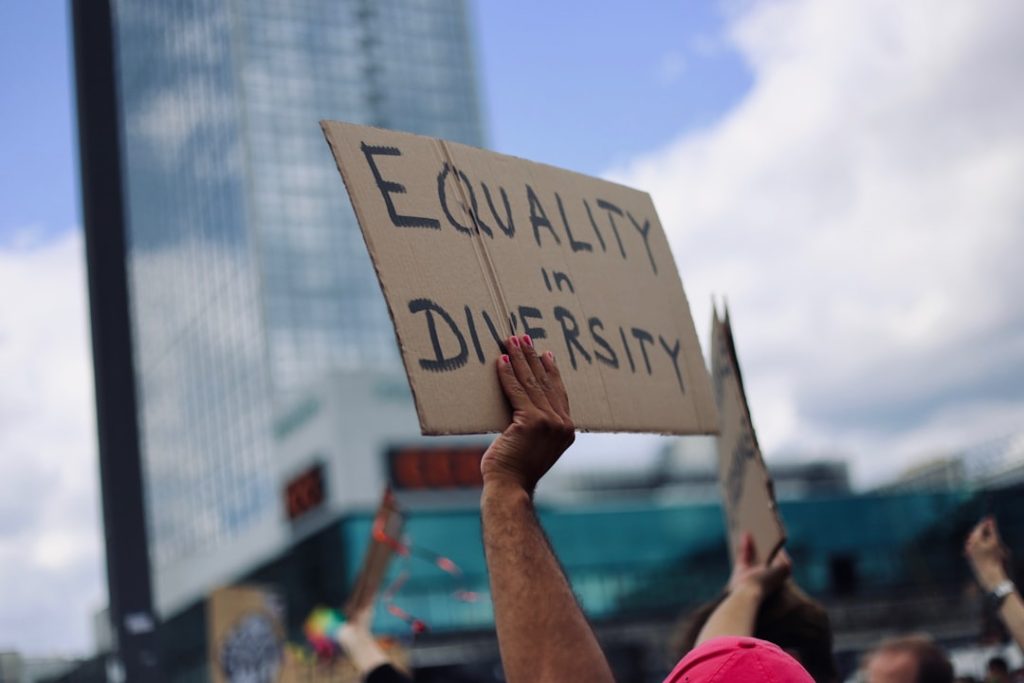
In a significant corporate policy reversal, one of America’s largest retail chains has announced the termination of its diversity, equity, and inclusion programs, including initiatives specifically designed to support minority-owned suppliers. This decision represents a dramatic shift from the company’s previous commitments to social responsibility and inclusive business practices.
The retailer’s decision to eliminate these programs marks what I believe is a troubling retreat from corporate accountability. Companies that built their reputations on progressive values are now abandoning these principles when faced with political pressure, which strikes me as both disappointing and shortsighted.

This move will particularly impact Black-owned businesses that had benefited from supplier diversity programs. These initiatives weren’t just feel-good policies – they created real economic opportunities for entrepreneurs who historically faced barriers to accessing major retail partnerships. For small business owners who invested time and resources building relationships through these programs, this represents a genuine setback.
I think this decision reveals the fragile nature of corporate commitments to social change. When companies treat diversity initiatives as optional add-ons rather than core business values, they become vulnerable to elimination during periods of political or economic uncertainty. This approach ultimately serves no one well – not the communities these programs were meant to help, nor the companies themselves who lose access to innovative suppliers and diverse perspectives.

The timing of this announcement is particularly noteworthy, coming amid a broader corporate retreat from DEI initiatives across various industries. What concerns me most is how quickly businesses are willing to abandon programs that took years to develop and implement, often without presenting alternative approaches to addressing systemic inequalities in business opportunities.
For consumers who supported this retailer based on its stated values, this reversal raises important questions about corporate authenticity. Those who prioritized shopping with companies that demonstrated commitment to social responsibility may need to reconsider their purchasing decisions. Conversely, customers who opposed these initiatives might view this as a positive development.
The broader implications extend beyond one company’s policy changes. This decision could signal to other corporations that abandoning diversity commitments carries minimal consequences, potentially triggering a wider rollback of similar programs across the retail sector. From my perspective, this would represent a significant step backward for business equity and social progress.
Photo by Amy Elting on Unsplash
Photo by Markus Winkler on Unsplash
Photo by Daria Nepriakhina 🇺🇦 on Unsplash