
Single Router or Mesh Network: Making the Right Choice for Your Home
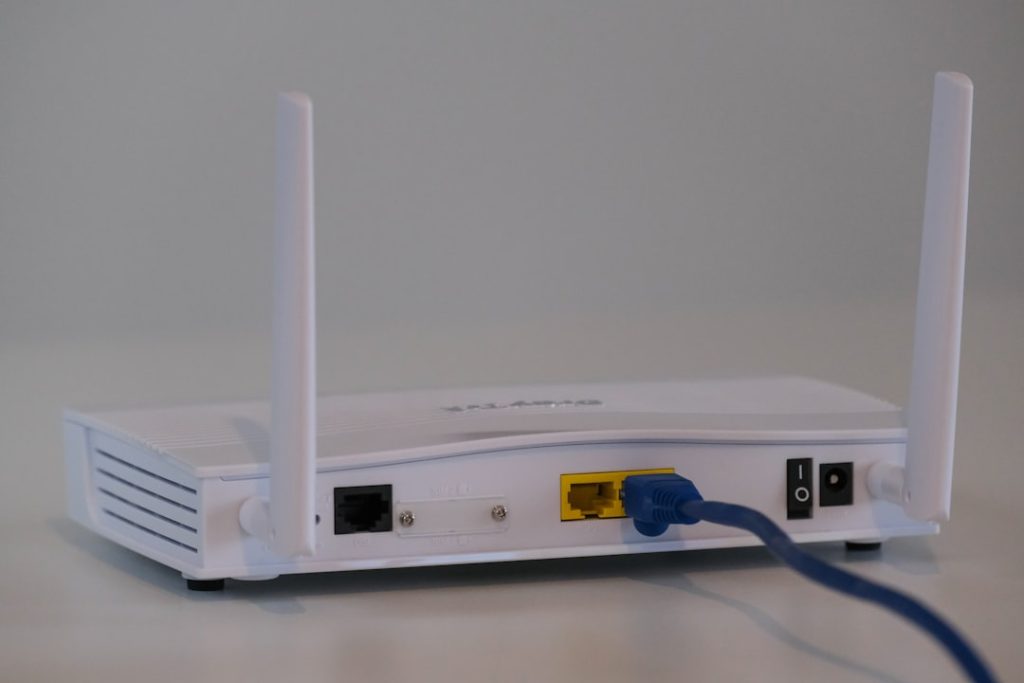
The debate between traditional wireless routers and mesh networking systems has become increasingly relevant as our homes fill with connected devices. In my experience, the choice isn’t as straightforward as many tech enthusiasts claim, and the answer depends heavily on your specific living situation and networking needs.
Understanding the Fundamental Difference
A conventional wireless router operates as a single point of connectivity, broadcasting signals from one central location throughout your home. Mesh systems, conversely, utilize multiple interconnected nodes that work together to blanket your space with consistent coverage. I believe this distinction is crucial because it directly impacts how you’ll experience internet connectivity in different areas of your home.
For most average households with modest internet usage, a single high-quality router positioned strategically can provide adequate coverage. This approach particularly benefits budget-conscious consumers who don’t want to invest in multiple devices when one might suffice.
When Traditional Routers Excel
Single routers shine in smaller living spaces, typically under 2,000 square feet with minimal structural interference. I’ve found they work exceptionally well for apartments, condos, and ranch-style homes where the router can be centrally positioned. The simplicity factor cannot be understated – one device means easier troubleshooting, simpler setup, and lower ongoing maintenance.

Cost-conscious users will appreciate that a premium single router often delivers better performance per dollar than entry-level mesh systems. For households with basic internet needs – streaming, browsing, and light gaming – this traditional approach remains perfectly viable.
Limitations You Should Consider
However, single routers struggle with larger homes, multiple floors, or spaces with significant physical barriers like thick walls or metal structures. Dead zones become inevitable in these scenarios, and I’ve seen too many people attempt to solve this with range extenders, which often create more problems than they solve.
The Mesh Advantage
Mesh systems excel where traditional routers falter. They’re particularly valuable for larger homes, multi-story buildings, or spaces with challenging layouts. The seamless handoff between nodes means you can move throughout your home without experiencing connection drops or significant speed variations.
I particularly recommend mesh systems for tech-heavy households with numerous smart devices, multiple remote workers, or families with high bandwidth demands. The distributed nature of mesh networks handles device density more effectively than single routers.

The Drawbacks Worth Noting
Mesh systems aren’t perfect solutions for everyone. They typically cost more upfront and can be overkill for smaller spaces. The multiple devices also mean more potential failure points and increased power consumption. For technically-minded users who prefer granular control over their network settings, many mesh systems offer fewer advanced configuration options compared to enterprise-grade single routers.
Making Your Decision
Your choice should primarily depend on your home’s size and layout. If you’re covering less than 2,500 square feet with minimal structural obstacles, a quality single router positioned centrally will likely serve you well and save money.
For homes exceeding 3,000 square feet, multiple floors, or complex layouts with thick walls, mesh systems become increasingly necessary. The investment pays off in consistent connectivity and reduced frustration.
I believe the sweet spot for mesh systems lies with households that have moved beyond basic internet usage – those with smart home ecosystems, multiple remote workers, or heavy streaming across numerous devices simultaneously. These scenarios benefit from the distributed processing power and improved device management that mesh networks provide.
Ultimately, both technologies can deliver excellent performance when properly matched to your specific needs. The key lies in honest assessment of your space, usage patterns, and budget constraints rather than following broad generalizations about which technology is “better.”
Photo by Compare Fibre on Unsplash
Photo by Misha Feshchak on Unsplash
Photo by TechieTech Tech on Unsplash