
Electric Vehicle Wildfire Evacuation: Essential Safety Guidelines for EV Owners
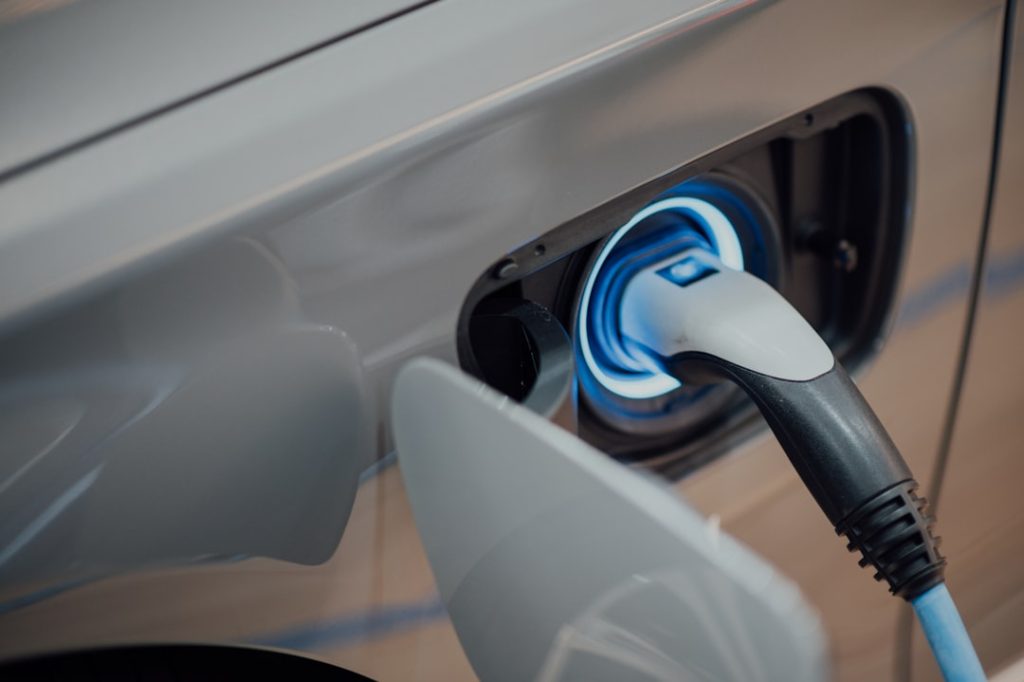
As electric vehicles become increasingly common on our roads, owners living in fire-prone regions face unique considerations during emergency evacuations. While traditional gas-powered vehicles present their own challenges during wildfire escapes, electric cars require a different approach to emergency preparedness that every EV owner should understand.
Understanding Your Vehicle’s Limitations and Advantages
Electric vehicles offer both benefits and drawbacks during emergency situations. On the positive side, EVs operate silently, which can be advantageous when navigating through smoky conditions where visibility is already compromised. Additionally, electric motors provide instant torque, potentially offering better acceleration when quick maneuvers are necessary.
However, the reality is that range anxiety becomes critically important during evacuations. Unlike conventional vehicles where you can quickly refuel at any gas station, charging an electric vehicle takes significantly longer. This fundamental difference means EV owners must think more strategically about their evacuation plans.

Pre-Emergency Preparation Strategies
I believe the key to successful EV evacuation lies in proactive planning rather than reactive measures. Smart EV owners should maintain their battery charge above 50% during fire season, especially those living in high-risk areas. This isn’t just good practice—it’s potentially life-saving preparation.
Creating multiple evacuation route plans becomes even more crucial for electric vehicle owners. You need to identify charging stations along each potential route, understanding that some may be unavailable during emergencies due to power outages or overwhelming demand. Frankly, this level of planning isn’t necessary for gas vehicle owners, making EV ownership more demanding in fire-prone regions.
During the Evacuation: Critical Decision Points
When evacuation orders are issued, EV owners face time-sensitive decisions that gas vehicle owners don’t encounter. The temptation to quickly charge your vehicle before leaving can be dangerous—and honestly, it’s usually the wrong choice. If your battery has sufficient range to reach safety, leave immediately rather than wasting precious time at a charging station.

For those with limited range, the calculation becomes more complex. You must weigh the time needed for charging against the rapidly changing fire conditions. In my opinion, this is where having a backup evacuation plan with a conventional vehicle or arranged transportation becomes invaluable.
Who Should Be Most Concerned
This information is particularly critical for EV owners in California, Australia, parts of the Mediterranean, and other fire-prone regions. Urban EV owners with short daily commutes might not fully appreciate these challenges until facing their first evacuation scenario.
Rural EV owners, however, already understand the importance of range planning and likely have better evacuation strategies in place. They’re accustomed to thinking about charging infrastructure limitations, making them better prepared for emergency situations.
The Bigger Picture for EV Adoption
These evacuation challenges highlight a broader issue with electric vehicle adoption in certain geographic areas. While EVs excel in urban environments with abundant charging infrastructure, they present unique challenges in rural or disaster-prone regions. This doesn’t mean EVs are unsuitable for these areas, but it does mean owners must be more prepared and strategic in their approach.
Ultimately, successful wildfire evacuation in an electric vehicle comes down to preparation, planning, and understanding your vehicle’s capabilities and limitations. The technology is advancing rapidly, with longer-range vehicles and faster charging becoming more common, but for now, EV owners in fire-prone areas must be more vigilant about emergency preparedness than their gas-powered counterparts.
Photo by CHUTTERSNAP on Unsplash
Photo by Michael Marais on Unsplash