
Media Mogul Makes Bold $48.30 Per Share Bid for Casino Empire
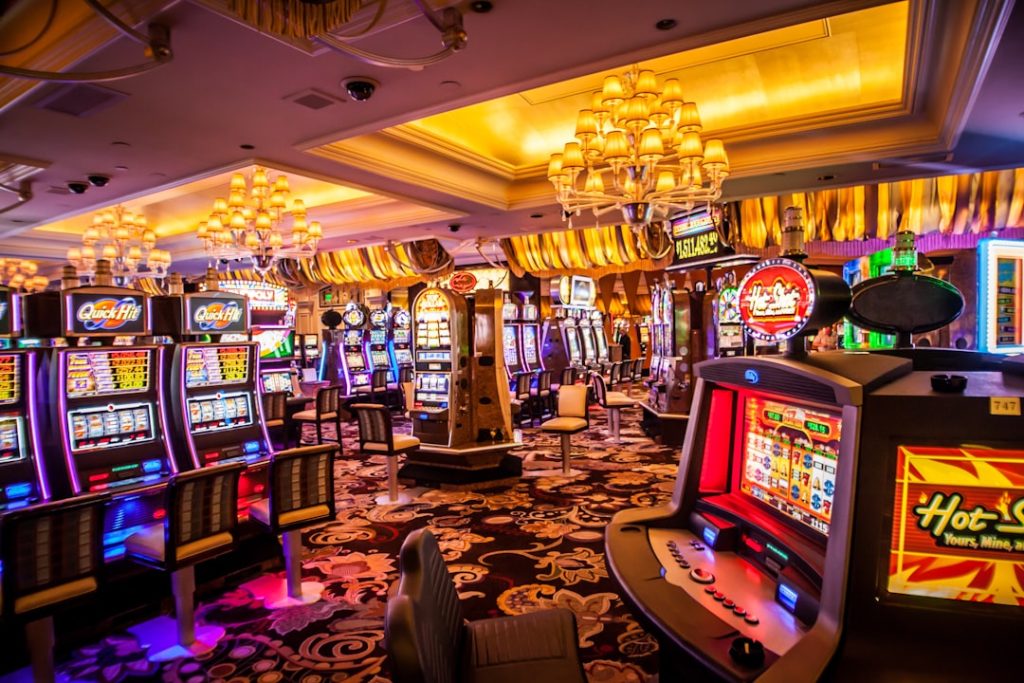
In what I consider a fascinating display of strategic positioning, media veteran Barry Diller has put forward a compelling $48.30 per share cash offer to acquire casino powerhouse MGM Resorts through his investment vehicle People Inc. This move represents more than just another corporate acquisition—it’s a statement about the enduring value of physical entertainment assets in our increasingly digital world.
The target of this acquisition owns some of Las Vegas’s most prestigious properties, including the iconic Bellagio and the modern Aria resort. These aren’t just hotels and casinos; they’re entertainment destinations that have proven remarkably resilient against digital disruption, which I believe is precisely what makes this deal so intriguing.
Market reaction was swift and positive, with MGM shares surging approximately 11% in early Monday trading, while Diller’s company saw a modest 2% uptick. This immediate response suggests investors view the offer as credible and potentially beneficial, though I think the real test will be whether the premium is sufficient to close the deal.

What makes this situation particularly interesting is Diller’s existing position within MGM’s ecosystem. As a current board member holding roughly 26.1% of the company through People Inc. (the entity formerly known as IAC), he’s essentially making an offer from the inside. His commitment to recuse himself from board deliberations on this matter demonstrates proper corporate governance, but it also highlights the complexity of this transaction.
Diller’s rationale for the acquisition reveals what I consider a shrewd understanding of modern business dynamics. His assertion that MGM represents assets that artificial intelligence cannot easily replicate or disintermediate speaks to a fundamental truth about experiential businesses. While technology continues to revolutionize many industries, the visceral experience of luxury hospitality and live entertainment remains stubbornly analog.
This deal would particularly benefit long-term investors who have been waiting for MGM’s assets to receive proper market recognition. The casino and hospitality sector has faced significant headwinds, from pandemic impacts to changing consumer preferences, but properties like those in MGM’s portfolio have demonstrated remarkable staying power.

However, this acquisition wouldn’t necessarily benefit everyone. Short-term traders might find limited upside if the deal proceeds at the offered price, and employees could face uncertainty during any transition period. Additionally, customers who prefer the current management approach might worry about potential changes under new ownership.
From my perspective, Diller’s six-year investment timeline demonstrates the kind of patient capital that today’s markets often lack. His belief in combining physical assets with digital growth opportunities reflects a sophisticated understanding of how traditional entertainment companies can evolve without losing their core appeal.
The timing of this offer is particularly noteworthy. With many investors still questioning the long-term viability of brick-and-mortar entertainment venues, Diller is essentially betting against the prevailing wisdom that everything must go digital. I find this contrarian approach refreshing and potentially profitable.
What matters most in evaluating this deal isn’t just the immediate financial terms, but the strategic vision behind it. Diller’s track record in media and entertainment suggests he understands how to extract value from content and experience-driven businesses. His emphasis on supporting management rather than replacing it also indicates a more collaborative approach than many hostile takeovers.
For MGM shareholders, this offer presents a clear choice between immediate liquidity at a premium and continued exposure to the company’s long-term potential under current management. Given the volatility in hospitality and gaming stocks, the certainty of a cash offer at $48.30 per share carries significant appeal, particularly for risk-averse investors.
Photo by Eyestetix Studio on Unsplash