
Concrete Gaming Keyboard Review: When Style Meets Substance in Mechanical Keyboards
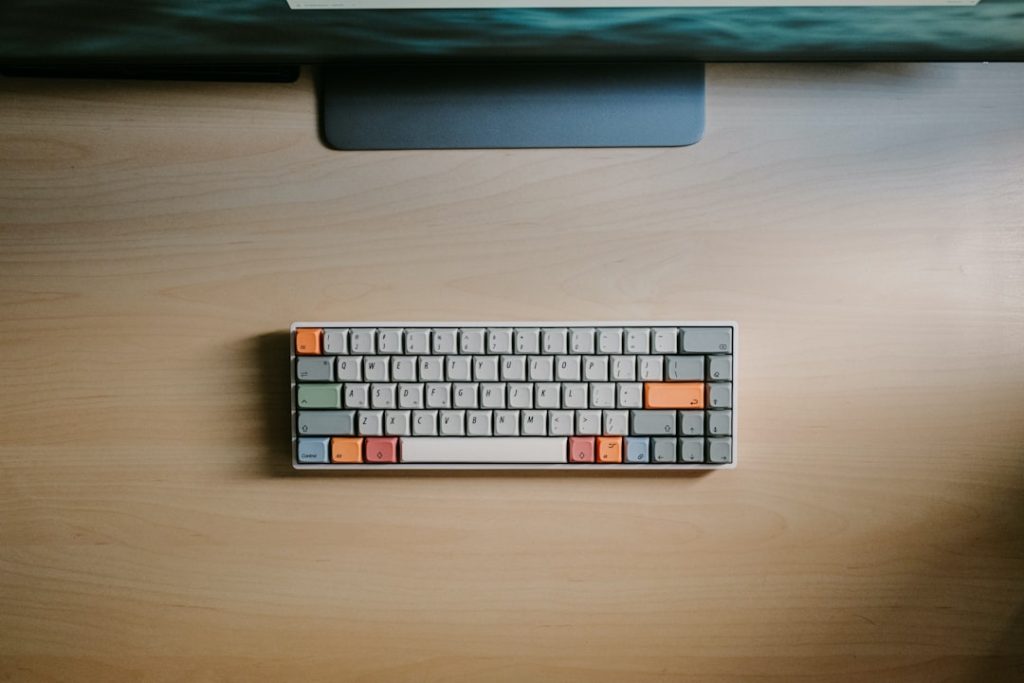
The world of mechanical keyboards has seen its fair share of unusual materials and designs, but few manufacturers dare to venture into construction materials for their builds. When I first encountered a keyboard made from concrete, my initial reaction was skepticism – surely this was just another marketing stunt designed to grab attention in an oversaturated market.
However, after spending considerable time with this unconventional peripheral, I’ve come to appreciate that sometimes the most outrageous concepts can deliver genuine value. This concrete-bodied mechanical keyboard represents something I believe the industry needs more of: bold experimentation that actually serves a purpose beyond mere aesthetics.
Who Should Consider This Unusual Approach
This type of keyboard isn’t for everyone, and that’s precisely what makes it interesting. I think it’s particularly well-suited for users who prioritize stability above all else during intense gaming sessions or heavy typing work. The concrete construction eliminates any possibility of keyboard movement, which is a common frustration with lighter alternatives.
Creative professionals and content creators who spend long hours at their desks would likely appreciate the unwavering stability. The substantial weight means you can type aggressively without the keyboard sliding around your workspace – something I found surprisingly liberating during extended writing sessions.

The Weight Factor: Blessing or Curse
The concrete construction brings both advantages and significant drawbacks that potential buyers need to consider carefully. While the stability is unmatched, the portability is essentially nonexistent. This is definitely not a keyboard for digital nomads or anyone who frequently moves their setup.
I believe this limitation actually works in the product’s favor for its target audience. It forces users to commit to a dedicated workspace setup, which often leads to better ergonomic practices and a more intentional approach to their computing environment.
Performance Beyond the Novelty
Strip away the concrete housing, and you’ll find a competent mechanical keyboard that holds its own against traditional alternatives. The typing experience feels solid and responsive, though I suspect much of this perception comes from the psychological effect of the weighty construction.
What impressed me most was how the concrete material affects the sound profile. Unlike plastic or aluminum cases that can create hollow or tinny acoustics, the concrete dampens vibrations effectively, resulting in a more muted and pleasant typing sound. This makes it suitable for shared workspaces where keyboard noise might be a concern.

Durability and Longevity Considerations
From a durability standpoint, concrete offers obvious advantages over traditional materials. It’s virtually impossible to damage through normal use, and the material won’t show wear patterns like painted surfaces or anodized aluminum. However, I do have concerns about the long-term implications of such an unconventional choice.
Concrete can be prone to developing hairline cracks over time, especially with temperature fluctuations. While this wouldn’t affect functionality, it could impact the aesthetic appeal that likely drew users to this product initially.
Market Position and Value Proposition
I think this keyboard succeeds because it doesn’t try to be everything to everyone. It’s a niche product that serves a specific purpose exceptionally well. The concrete construction isn’t just a gimmick – it’s a functional choice that dramatically improves stability at the cost of portability.
For users who value unique design and don’t mind the trade-offs, this represents excellent value. However, mainstream users looking for versatility would be better served by conventional alternatives that offer greater flexibility.
The concrete edition demonstrates that there’s still room for innovation in the mechanical keyboard space, even if that innovation comes in the form of borrowing materials from the construction industry. It’s a bold statement piece that happens to be a capable input device – exactly what the enthusiast market craves.
Photo by bady abbas on Unsplash