
Google’s New Screenless Fitness Tracker Challenges Premium Wearables Market
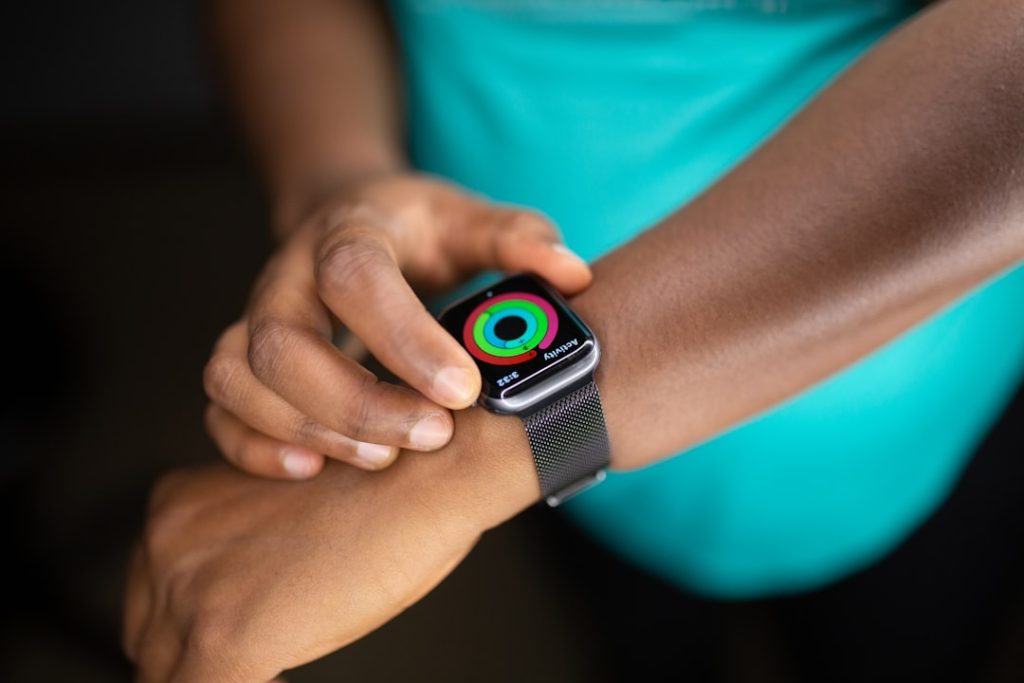
The fitness wearable industry is witnessing an interesting shift toward screenless devices, and Google’s latest entry into this space represents a significant challenge to established premium players. This new approach to health tracking eliminates the traditional display in favor of AI-powered insights delivered through a companion smartphone app.
Hardware Design and Build Quality
What strikes me most about this device is how Google has essentially stripped away everything non-essential to create something remarkably minimal. At just 5.2 grams without the band, this tracker is so light you’ll forget you’re wearing it – which is exactly the point for 24/7 health monitoring.
The pill-shaped design feels familiar, reminiscent of existing fitness trackers but freed from the constraints of housing a display. I think this approach makes perfect sense for users who primarily care about data collection rather than real-time feedback on their wrist. The three interchangeable bands offer decent variety, though I wish they were slightly narrower for a more refined look.
The double-tap interaction is brilliantly simple – you can dismiss alarms or check battery status with the LED indicator. This minimalist approach won’t appeal to everyone, but for those seeking unobtrusive health monitoring, it’s ideal. The smart alarm feature, which wakes you during optimal sleep phases within a 30-minute window, is particularly valuable for people serious about sleep optimization.
However, the seven-day battery life feels disappointing for a screenless device. When competitors offer two weeks of usage, this shorter runtime seems like a missed opportunity. The fast charging partially compensates – going from 36% to 58% in just five minutes is impressive – but frequent charging interrupts the seamless tracking experience these devices promise.

The AI-Powered Health Experience
Here’s where things get genuinely interesting. The companion app represents Google’s vision for AI-integrated health tracking, and frankly, it’s both the device’s greatest strength and most concerning aspect.
The AI coach functionality is undeniably clever. Being able to photograph a nutrition label and have it automatically logged, or ask the system to “log the same breakfast I had yesterday,” showcases how natural language processing can simplify health tracking. For busy professionals who struggle with consistent logging, this could be transformative.
What impressed me most was the exercise form feedback feature. Uploading photos of workout positions and receiving technique suggestions feels like having a personal trainer in your pocket. This kind of practical AI application has real value for fitness enthusiasts who can’t afford regular coaching.
But I have serious reservations about the AI’s reliability. The system occasionally generated confusing summaries, mistaking workout data or providing inconsistent information. For something monitoring your health, accuracy isn’t optional – it’s fundamental. These aren’t minor glitches; they’re potential barriers to trust in a product category where precision matters enormously.
Who This Really Serves
This device is perfect for data-driven health enthusiasts who prefer comprehensive smartphone-based analysis over quick wrist glances. If you’re someone who enjoys diving deep into health metrics and doesn’t mind relying entirely on your phone for information, this approach offers genuine advantages.

It’s also ideal for people who find traditional smartwatches too bulky or distracting for sleep tracking. The minimal design makes overnight wear far more comfortable than larger devices.
However, this absolutely isn’t for everyone. Fitness enthusiasts who want immediate workout feedback, busy professionals who rely on wrist-based notifications, or anyone uncomfortable with extensive AI health analysis should look elsewhere. The lack of any display means you’re completely dependent on your smartphone for all information.
Market Position and Value Proposition
At $100 for the hardware with basic app functionality included, this represents a compelling alternative to subscription-heavy competitors. While premium options require $200-360 annual commitments, Google’s approach offers most essential features without ongoing costs.
I think this pricing strategy is brilliant for mainstream adoption. Many potential users are interested in advanced health tracking but hesitant about expensive ongoing subscriptions. Google’s model removes that barrier while still offering premium AI features for those willing to pay $10 monthly.
The real question is whether Google will maintain long-term support and development. The company’s track record with hardware products isn’t reassuring, and a device this dependent on software support becomes worthless if abandoned.
For serious fitness enthusiasts already invested in comprehensive health tracking ecosystems, this might not offer enough advantages to justify switching. But for newcomers to advanced health monitoring or current basic tracker users seeking AI-enhanced insights, it presents an attractive entry point into more sophisticated health analysis.
Ultimately, this device succeeds by focusing intensely on what screenless wearables do best – invisible, continuous health monitoring enhanced by intelligent software analysis. Whether that’s enough depends entirely on your personal health tracking priorities and comfort with AI-driven insights.
Photo by Solen Feyissa on Unsplash
Photo by Vitaly Gariev on Unsplash