
California Creek Restoration Project Marks Major Victory for Native Fish Species
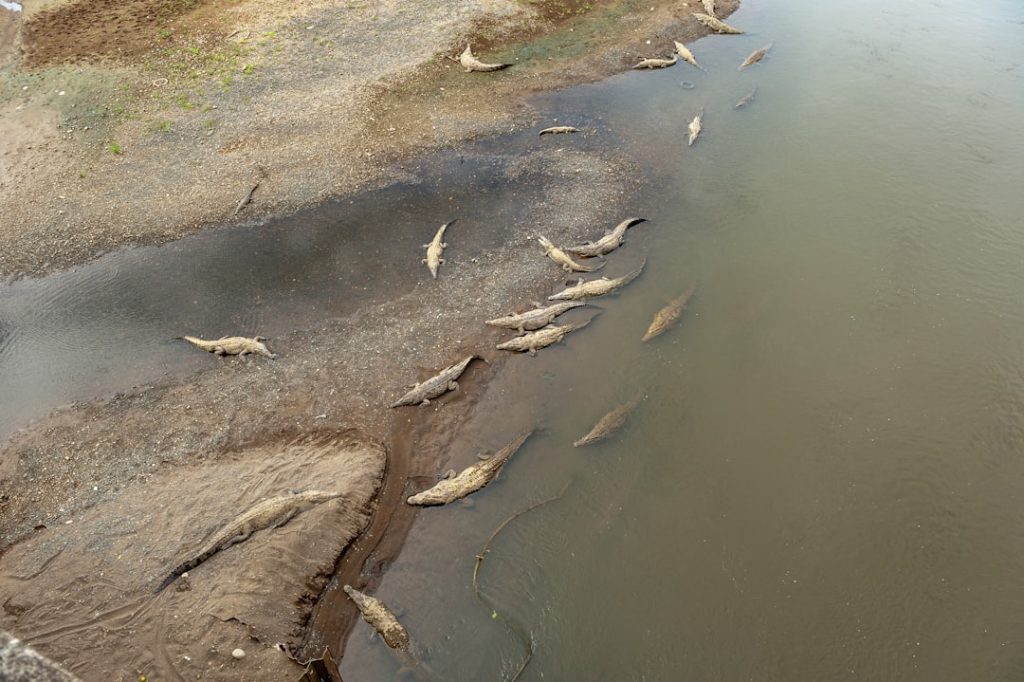
After years of dedicated conservation work, a significant milestone has been achieved in restoring natural fish migration routes along one of California’s historically important waterways. The multi-decade effort to reestablish steelhead and salmon passage represents what I believe is one of the most compelling examples of how persistent environmental advocacy can yield tangible results.
This restoration project particularly resonates with me because it demonstrates the kind of long-term thinking that’s often missing in environmental policy. While politicians and corporations frequently focus on quarterly results, ecosystem recovery operates on entirely different timescales. The fact that conservationists maintained their commitment across multiple decades shows the kind of institutional memory and persistence that’s essential for meaningful environmental progress.
Why This Matters for Different Stakeholders
For recreational anglers and fishing enthusiasts, this development represents a potential renaissance for sport fishing opportunities in the region. I think this group will see the most immediate benefits, as restored fish populations typically translate to better fishing experiences within just a few years of successful passage restoration.
Local communities near the creek should also benefit significantly from this project. Healthy salmon and steelhead runs often become economic drivers through eco-tourism and recreational activities. However, I’d caution that these economic benefits typically take longer to materialize than many community leaders expect.

Environmental scientists and researchers will find this project invaluable as a case study. The decades-long timeline provides rich data about restoration techniques, population recovery patterns, and the complex interplay between human infrastructure and natural systems.
The Broader Implications
What strikes me most about this achievement is how it illustrates the critical importance of fish passage infrastructure. Too often, we build barriers without considering their long-term ecological consequences. This restoration effort essentially corrects decades of shortsighted development decisions.
The project also highlights something I find troubling about our approach to environmental protection: we’re constantly playing catch-up. Rather than preventing habitat destruction in the first place, we spend enormous resources trying to undo damage that could have been avoided with better initial planning.
Who Should Pay Attention
Urban planners and civil engineers working on waterway projects should study this restoration effort closely. The lessons learned here about balancing human infrastructure needs with ecological requirements are directly applicable to countless other projects across the country.

Policy makers dealing with endangered species issues will also find this case study relevant. It demonstrates that species recovery is possible, but requires sustained commitment and adequate funding over extended periods.
However, I think this story is less relevant for those focused on climate change mitigation. While habitat restoration is certainly important, the scale and timeline of these efforts make them insufficient responses to the urgency of climate challenges.
Looking Forward
The success of this restoration project offers genuine hope, but I believe we need to be realistic about what it represents. This is one creek in one region, restored after decades of effort and significant financial investment. Scaling this approach to address habitat destruction across entire watersheds or regions would require resources and coordination that currently seem beyond our political and economic capabilities.
Nevertheless, projects like this serve as proof that determined conservation efforts can succeed. For anyone involved in environmental restoration work, this represents the kind of long-term victory that makes the daily struggles worthwhile.
Photo by Alexander Schimmeck on Unsplash
Photo by Kyle Hinkson on Unsplash
Photo by Leo_Visions on Unsplash