
Commercial Aircraft Makes Emergency Return After Passenger Device Creates Security Concern
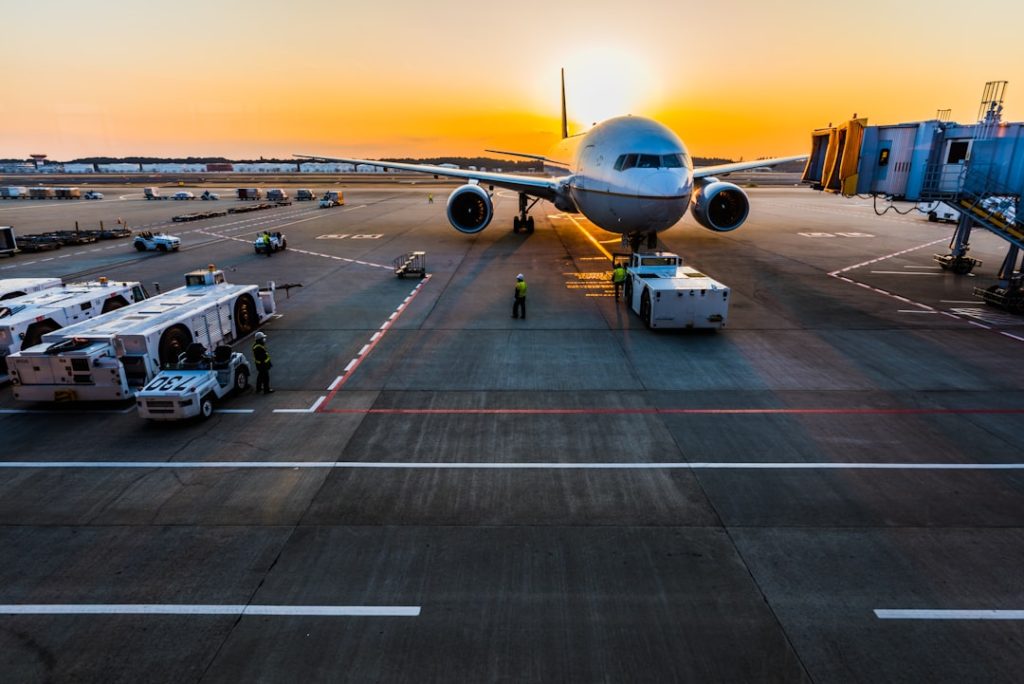
A United Airlines Boeing 767 aircraft was forced to return to Newark Liberty International Airport after a passenger’s Bluetooth device name triggered security protocols, highlighting what I believe is an increasingly problematic intersection between modern technology and aviation security measures.
The incident demonstrates how our hyper-vigilant security apparatus can sometimes create more disruption than the actual threats it’s designed to prevent. While I understand the need for caution in aviation, this particular case raises serious questions about proportional response and common sense in security decision-making.
The Technical Reality Behind the Incident
Bluetooth devices broadcast identifying names that can be customized by users, and in this case, a passenger had apparently chosen a name that aviation security personnel deemed concerning enough to warrant turning around a commercial flight. The aircraft had to burn fuel, disrupt hundreds of passengers’ travel plans, and consume significant resources for what was essentially a digital prank or poor naming choice.

From my perspective, this incident perfectly illustrates how security theater often trumps practical risk assessment. The actual threat posed by a Bluetooth device name is virtually zero, yet the response was as if there were a genuine emergency aboard the aircraft.
Who This Really Affects
This situation is most relevant for frequent business travelers and airline industry professionals who need to understand how seemingly innocent technology choices can cascade into major disruptions. For casual travelers, this serves as a wake-up call about the potential consequences of customizing device names with anything that could be misinterpreted.
The incident particularly impacts airlines’ operational efficiency and cost structures. Every flight diversion costs carriers tens of thousands of dollars in fuel, crew overtime, passenger compensation, and schedule disruptions. In my opinion, airlines need better protocols for distinguishing between genuine threats and false alarms.

The Broader Security Implications
What concerns me most about this incident is how it reflects our current approach to aviation security. We’ve created a system so sensitive that it can be triggered by digital device names, yet passengers routinely report legitimate security gaps that go unaddressed.
For security professionals, this case study should prompt serious reflection on risk assessment methodologies. The resources expended on investigating a Bluetooth name could have been directed toward more substantive security measures that actually enhance passenger safety.
Moving Forward
I believe this incident highlights the need for more nuanced security protocols that can differentiate between credible threats and digital noise. Airlines and security agencies should invest in better training for personnel to help them make more informed decisions about when flight diversions are truly necessary.
For passengers, the lesson is clear: be mindful of how you name your electronic devices. While you may think a clever or edgy device name is harmless, it could potentially disrupt your travel and that of hundreds of other passengers.
Photo by Rocker Sta on Unsplash
Photo by Bao Menglong on Unsplash
Photo by Ivan Shimko on Unsplash