
Dual-Screen Gaming Laptop Review: Engineering Marvel Meets Financial Reality
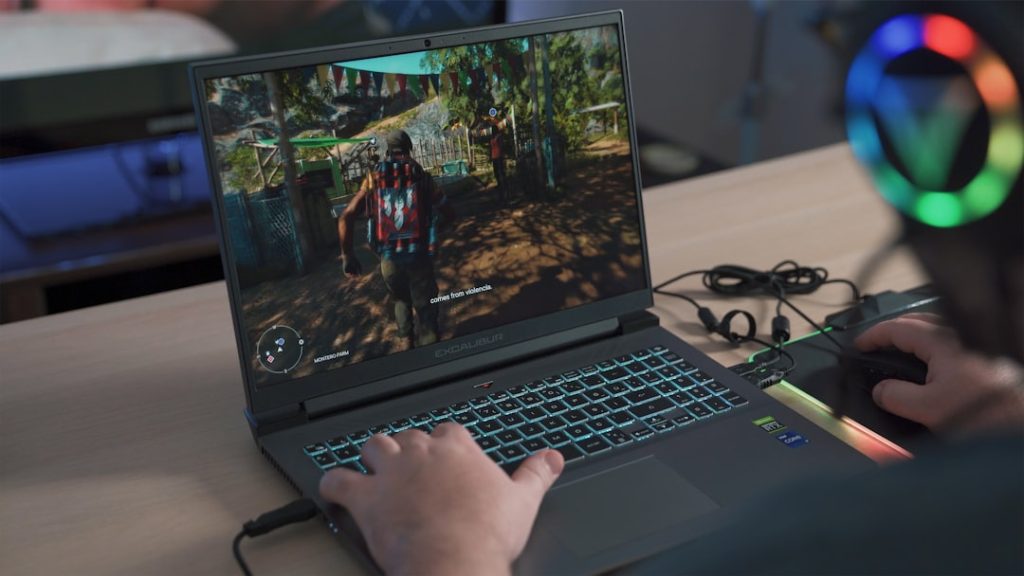
In the world of premium gaming laptops, there exists a fascinating tension between what’s technically possible and what’s financially sensible. The latest dual-screen gaming powerhouse from ASUS perfectly embodies this contradiction, delivering an engineering marvel that costs more than many people’s cars while offering capabilities that push the boundaries of portable computing.
Revolutionary Design Philosophy
What strikes me most about this machine is how ASUS managed to create something that looks deceptively normal when closed. At first glance, you might mistake it for a standard gaming laptop – albeit one that’s noticeably thicker and heavier than its conventional siblings. The real revelation comes when you discover that the keyboard is magnetically attached and can be completely removed to reveal a second 16-inch OLED display underneath.
This design approach is brilliant for content creators and serious gamers who constantly juggle multiple applications. I genuinely believe this configuration solves real workflow problems that traditional laptops simply can’t address. The ability to game on the upper screen while monitoring chat, guides, or streaming software on the lower display creates a setup that desktop users take for granted but laptop users have never experienced.
However, I must be honest about who this serves. This isn’t for casual gamers or budget-conscious buyers. The magnetic keyboard, while innovative, introduces potential durability concerns that traditional hinged designs don’t face. The extra weight and thickness make this impractical for frequent travelers who prioritize portability over power.
Performance That Justifies Ambition
The performance specifications are where this laptop truly shines, and frankly, where it needs to shine given its premium positioning. With top-tier processors and graphics cards capable of handling modern games at high settings, the system delivers frame rates that satisfy even demanding users. In testing with graphically intensive titles, performance remained consistently strong even when pushing resolution beyond standard 1080p.

What impresses me most is how well the system handles the dual-display workload without significant performance penalties. This suggests ASUS invested heavily in thermal management and power delivery – areas where many gaming laptops compromise. The inclusion of professional-grade color accuracy makes this appealing for creative professionals who need both gaming performance and color-critical work capabilities.
That said, the base configuration feels somewhat stingy on memory and storage for a machine at this price point. I think ASUS missed an opportunity to make the entry-level model feel more premium, especially when competitors offer more generous specifications at lower price points.
Battery Life Defies Expectations
Perhaps the most surprising aspect is the battery performance. Running dual OLED displays should theoretically devastate battery life, yet the system manages respectable longevity for productivity tasks. The 90Wh battery cell provides enough juice for extended work sessions, though gaming naturally reduces runtime significantly.
This efficiency matters more than some might realize. A dual-screen laptop that dies after two hours of use would be a desktop replacement masquerading as a portable machine. The fact that you can realistically use this for travel work makes it genuinely versatile rather than just a novelty.
The Value Proposition Reality Check
Here’s where I need to be brutally honest: this laptop costs more than many people spend on their entire computing setup, including monitors, peripherals, and desk. The $4,500 starting price climbs rapidly with upgrades, potentially reaching territory where you could build a high-end desktop and buy a separate laptop for less money.

Who is this actually for? I see three primary audiences: content creators who need maximum screen real estate in a portable package, competitive gamers with deep pockets who want every possible advantage, and technology enthusiasts who value innovation over cost efficiency. Everyone else should probably look elsewhere.
The missing Thunderbolt 5 support and lack of dedicated Ethernet feel like oversights on a machine this expensive. These aren’t deal-breakers, but they highlight how even premium products make compromises.
Final Perspective
This dual-screen gaming laptop represents everything I love and hate about the premium technology market. It’s genuinely innovative, solves real problems, and delivers performance that justifies its engineering ambitions. The dual-screen functionality isn’t a gimmick – it’s a legitimate productivity enhancement that changes how you work and play.
But the pricing puts it firmly in luxury territory, making it inaccessible to most of the people who would benefit from its capabilities. It’s the technological equivalent of a supercar: impressive, desirable, and completely impractical for most buyers.
If you have the budget and genuinely need the unique capabilities this design offers, it’s an exceptional machine that delivers on its promises. For everyone else, it’s an interesting glimpse into the future of portable computing – a future that’s still too expensive for widespread adoption.
Photo by Onur Binay on Unsplash