
Footwear Industry Charity Adapts to America’s Growing Economic Struggles
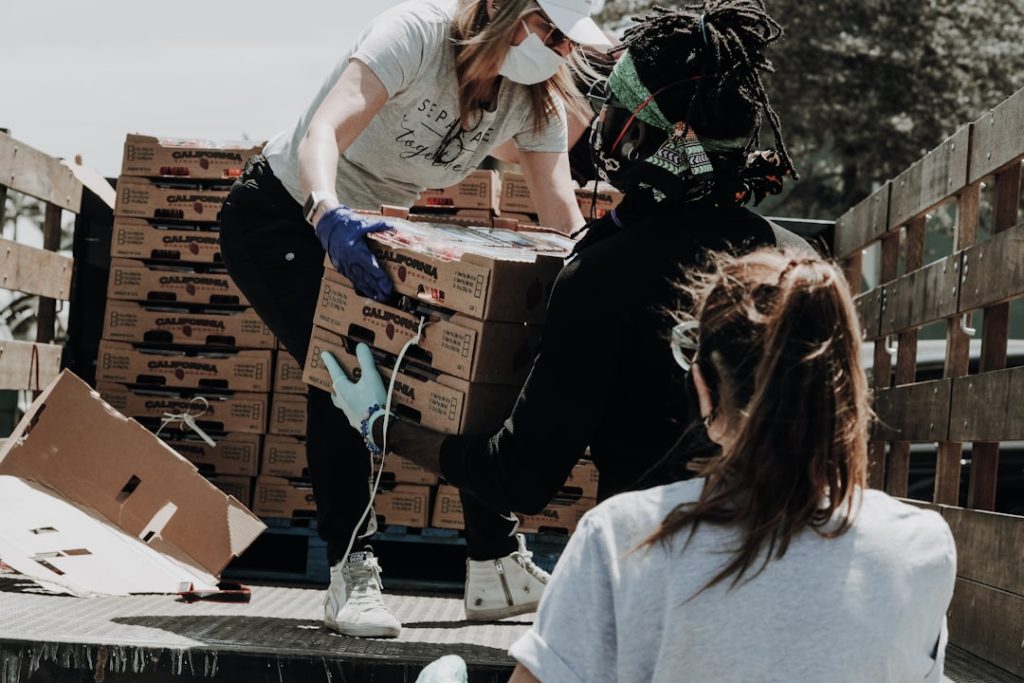
The nationwide affordability crisis sweeping America has fundamentally shifted how industry charitable organizations operate, and frankly, it’s about time these groups evolved beyond their traditional disaster-response models. What we’re witnessing is a transformation that reveals both the severity of our economic challenges and the adaptability of industry-specific nonprofits.
The Two Ten Footwear Foundation exemplifies this shift perfectly. According to their leadership, the organization distributed nearly $1.3 million in emergency aid to approximately 1,200 families within the shoe industry over the past year. What strikes me as particularly telling is that more than half of these cases involved medical expenses and housing costs – the fundamental necessities that working families can no longer afford.
This represents a dramatic departure from previous operational patterns. Historically, footwear industry charitable efforts concentrated on disaster relief – responding to hurricanes, floods, and other acute emergencies. While natural disasters like Winter Storm Fern and Hawaii’s Kona Low still occurred, they paled in comparison to the ongoing crisis of everyday living expenses.
I believe this shift highlights something crucial about our current economic landscape that politicians and policymakers often miss. When industry-specific charities – organizations that traditionally helped with catastrophic events – are now primarily addressing basic cost-of-living issues, we’re dealing with a systemic problem, not temporary hardship.
Educational Support Becomes Critical Infrastructure
The foundation’s educational initiatives have experienced remarkable growth, with scholarship applications jumping from 89 to 158 in just one year. This surge isn’t coincidental – it reflects workers’ desperate attempts to skill up in an increasingly automated and competitive job market.

The organization’s focus on upskilling grants particularly resonates with me because it addresses a reality many industries refuse to acknowledge: traditional job security is disappearing. Workers in footwear manufacturing, retail, and distribution understand they need new capabilities to remain relevant. The question is whether these educational programs can scale fast enough to meet demand.
For footwear industry employees, these educational opportunities represent genuine lifelines. However, I’m skeptical about whether similar support exists across other manufacturing sectors. The footwear industry’s relatively tight-knit community enables this kind of targeted assistance, but workers in more fragmented industries likely lack comparable resources.
Industry Solidarity Through Challenging Times
The foundation’s annual fundraising gala, scheduled for early June at The Glasshouse in New York, expects 650 industry attendees. What impresses me about this event is its dual purpose – celebrating community while generating essential funding for the coming fiscal year.
Corporate donations have reportedly recovered after previous uncertainty, with the organization surpassing its $500,000 fundraising target. Major contributors include Micro-Pak Ltd., Bordan Shoe Co., Power Rich, Zilsen International Co., Alliant Insurance Services Inc., and Bay Rag Corp. This corporate support demonstrates something I find encouraging: businesses recognizing their responsibility to support their workforce ecosystem.
The gala will honor two industry veterans whose contributions extend beyond their corporate roles. Mark Lardie, former president and CEO of Rack Room Shoes, will receive the A.A. Bloom Memorial Award for advancing the foundation’s mission. Meanwhile, Nordstrom executive Tacey Powers will be recognized with the WIFI Impact Award for promoting women’s leadership in footwear.

Expanding Beyond Traditional Boundaries
Two new initiatives reveal the foundation’s strategic thinking about long-term industry health. First, they’re developing comprehensive mentorship programs beyond their existing Women in the Footwear Industry group. This expansion makes sense – while supporting women’s advancement remains crucial, the entire industry benefits from structured mentorship.
The second initiative involves researching the actual impact of their hardship grants, funded by a donation from Martin Berman at Micro-Pak. This data-driven approach impresses me because it moves beyond feel-good charity toward measurable outcomes. Understanding both financial and emotional impacts will enable more targeted and effective assistance.
However, I wonder whether this research will reveal uncomfortable truths about the limitations of charitable solutions to systemic economic problems. While industry-specific assistance helps individual families, it cannot address the underlying factors driving widespread affordability crises.
Who Benefits and Who Doesn’t
These programs primarily benefit footwear industry workers and their families – a relatively small but well-organized community. The foundation’s 86-year history provides institutional knowledge and established relationships that newer charitable organizations lack.
Unfortunately, workers in other manufacturing sectors, retail environments, or service industries don’t have access to comparable industry-specific support systems. This creates an uneven landscape where your industry affiliation determines your safety net quality.
The foundation’s approach works because the footwear industry maintains strong professional networks and shared identity. Industries with more fragmented workforces or weaker professional associations cannot replicate this model easily.
Ultimately, while I applaud the Two Ten Footwear Foundation’s adaptive response to changing economic conditions, their success highlights the inadequacy of our broader social safety net. When private industry charities become primary sources of basic economic assistance, we’re essentially privatizing essential social services – a concerning trend that deserves more attention than it receives.
Photo by Joel Muniz on Unsplash
Photo by Ismael Paramo on Unsplash