
Graphics Giant Launches Revolutionary AI-Powered Computer Processor to Compete with Tech Titans
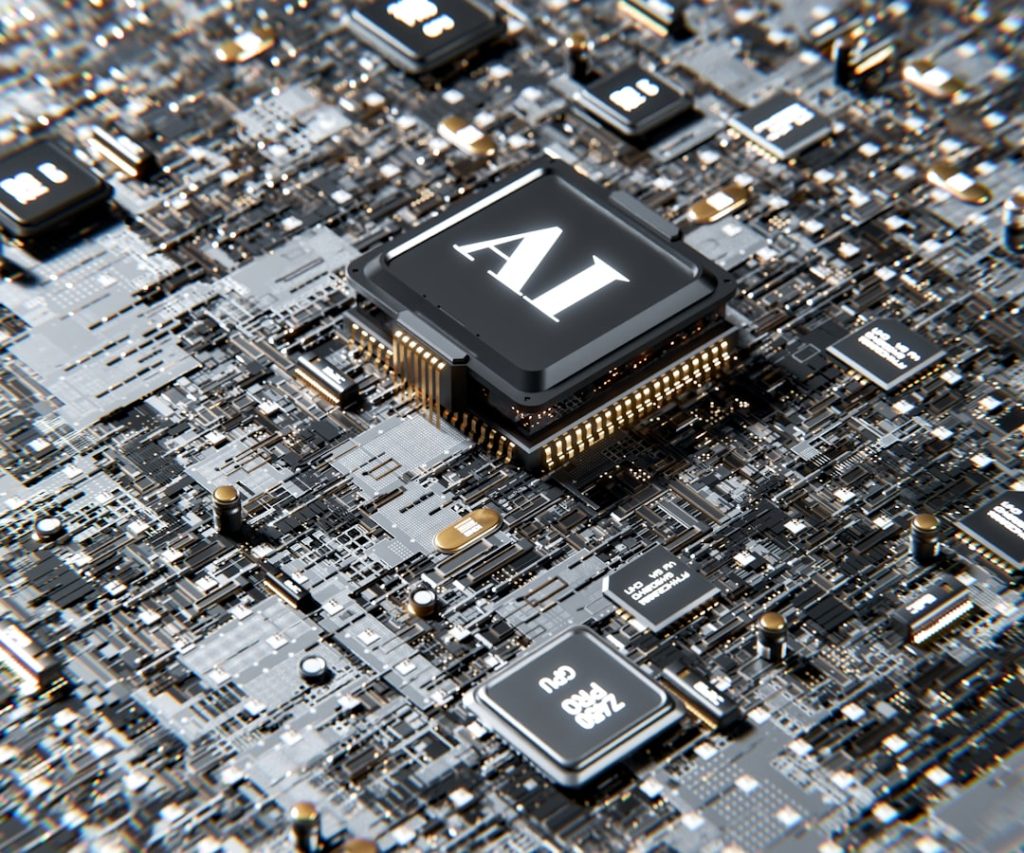
The semiconductor industry is witnessing a fascinating power struggle as graphics processing leader Nvidia makes an aggressive push into the personal computer market with its latest artificial intelligence-optimized processor. This move represents what I believe is a calculated strike against established chip manufacturers who have dominated the PC landscape for decades.
The newly announced processor combines advanced graphics capabilities with AI acceleration features, specifically designed to work seamlessly with Microsoft’s Windows operating system. What makes this particularly intriguing is how it positions computers to handle sophisticated artificial intelligence applications that were previously limited to specialized hardware or cloud-based solutions.
A Strategic Challenge to Industry Veterans
This development is especially relevant for professionals in creative industries, data science, and software development who regularly work with AI-powered applications. I think these users will find the most immediate value in this technology, as it promises to deliver desktop-level AI processing without relying on internet connectivity or expensive server infrastructure.

However, I’m skeptical about whether average consumers will see meaningful benefits in the short term. The reality is that most everyday computing tasks don’t require the intensive AI processing capabilities this chip offers. For casual users who primarily browse the web, stream content, and use basic productivity software, the premium pricing that typically accompanies cutting-edge technology may not justify the investment.
Market Implications and Competition
What’s particularly noteworthy is how this announcement signals a broader shift in the semiconductor industry. Traditional processor manufacturers have long focused on general computing performance, but Nvidia’s approach prioritizes AI workloads – a strategy that reflects where the industry is heading rather than where it currently stands.
The partnership with Microsoft’s Windows platform is crucial here. I believe this collaboration gives the new processor a significant advantage in terms of software compatibility and developer adoption. Windows remains the dominant desktop operating system, and having native support from day one eliminates many of the integration challenges that typically plague new hardware architectures.

Who Benefits Most from This Innovation
In my view, the primary beneficiaries will be:
- Machine learning researchers who need powerful local processing capabilities
- Content creators working with AI-enhanced video and image editing tools
- Software developers building AI applications for desktop environments
- Small businesses that want to implement AI solutions without cloud dependencies
Conversely, this technology probably isn’t worth the investment for users who primarily use their computers for basic tasks like email, document editing, or casual gaming. The performance gains in these scenarios would likely be negligible compared to the additional cost.
Looking Forward
I think this launch represents more than just another processor release – it’s a strategic repositioning that could reshape how we think about personal computing. The integration of AI capabilities at the hardware level suggests that future software applications will increasingly assume these features are available, potentially creating a new baseline for what constitutes a modern computer.
The success of this venture will largely depend on software developers embracing these AI capabilities and creating applications that truly leverage the hardware’s potential. Without compelling software that takes advantage of the enhanced AI processing, even the most advanced hardware becomes an expensive curiosity rather than a practical tool.
For the broader tech industry, this move signals that the era of general-purpose computing may be giving way to specialized processors optimized for specific workloads. Whether this trend ultimately benefits consumers or simply adds complexity to purchasing decisions remains to be seen.
Photo by Igor Omilaev on Unsplash
Photo by Adi Goldstein on Unsplash
Photo by Milad Fakurian on Unsplash