
Military Failures Historically Trigger Political Upheaval in Russia
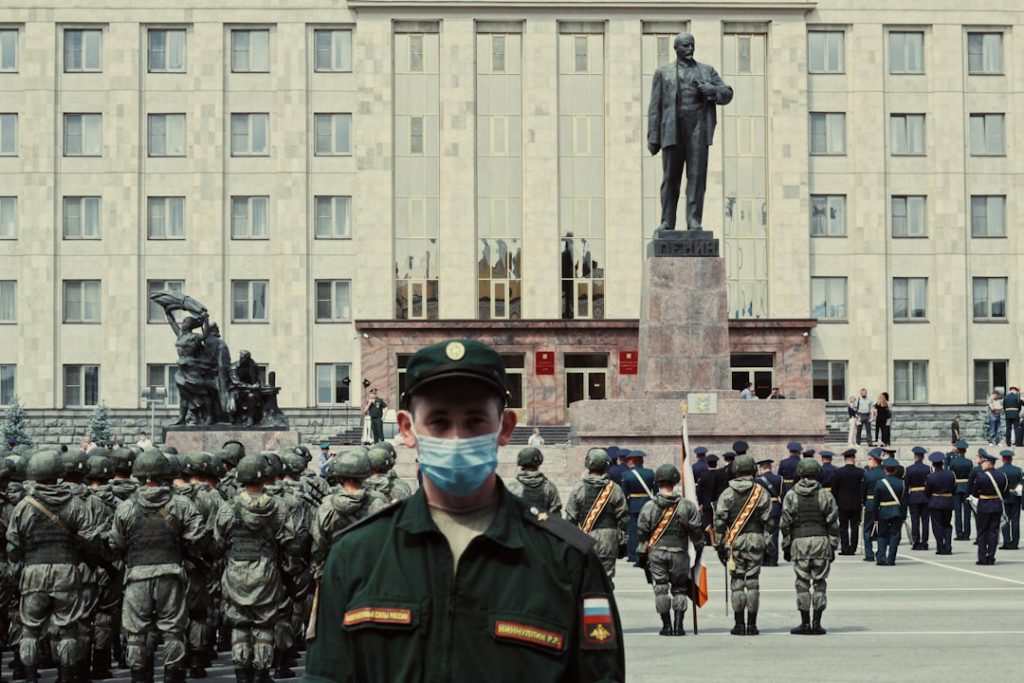
The ongoing conflict in Ukraine has raised significant questions about the potential domestic consequences of military setbacks for Russian leadership. Historical patterns suggest that when military campaigns fail to meet expectations, the political ramifications in Moscow can be severe and far-reaching.
I believe this historical precedent is particularly relevant for understanding current geopolitical dynamics. Russia’s track record shows a clear pattern: military defeats have consistently led to dramatic political transformations throughout the nation’s history.
Historical Patterns of Military Failure and Political Change
The Russo-Japanese War of 1904-1905 serves as a prime example of how military humiliation can destabilize Russian leadership. The unexpected defeat by Japan sparked the 1905 Revolution, forcing significant constitutional reforms and weakening the Tsarist regime. This wasn’t an isolated incident but part of a broader historical trend.
World War I provides perhaps the most dramatic illustration of this pattern. Military disasters on multiple fronts, combined with enormous casualties and economic collapse, directly contributed to the fall of the Romanov dynasty in 1917. The inability to achieve military objectives proved fatal to the existing political order.
Modern Implications and Relevance
For political analysts and international relations experts, these historical patterns offer crucial insights into potential future scenarios. However, I think it’s important to note that modern Russia operates under different circumstances than its historical predecessors.

The current political system has demonstrated remarkable resilience and adaptability. Unlike the Tsarist regime or even the Soviet system, today’s Russian government has developed sophisticated mechanisms for managing domestic dissent and controlling information flow.
Who Should Pay Attention
This analysis is particularly valuable for:
- Foreign policy strategists developing long-term approaches to Russian relations
- International investors assessing political risk in the region
- Academic researchers studying the relationship between military performance and political stability
- Journalists covering Eastern European geopolitics
However, I believe this historical framework has limited applicability for short-term market traders or those seeking immediate tactical insights. The timeframes involved in such political transformations typically span years or decades, not months.
The Stakes of Military Performance
What makes this situation particularly significant is the personal investment of leadership in military success. When leaders stake their legitimacy on achieving specific military objectives, failure becomes not just a policy setback but an existential threat to their political survival.
In my view, this creates a dangerous dynamic where escalation becomes more likely as the costs of failure mount. Leaders facing potential political consequences from military defeats may be tempted to double down rather than seek diplomatic solutions.

Contemporary Challenges
The current conflict presents unique challenges that differentiate it from historical precedents. Modern communication technology makes it harder to control narratives about military performance. Social media and independent journalism can rapidly expose military setbacks that previous regimes might have concealed for months or years.
Additionally, economic interconnectedness means that military campaigns now carry immediate financial consequences through sanctions and market reactions. This creates additional pressure points that didn’t exist in earlier eras.
Broader Implications for Regional Stability
I think the most concerning aspect of this historical pattern is its potential impact on regional and global stability. When authoritarian leaders face domestic pressure from military failures, they often respond with increasingly aggressive or unpredictable behavior.
This dynamic is particularly relevant for neighboring countries and international organizations trying to predict and prepare for various scenarios. Understanding these historical patterns can help inform contingency planning and diplomatic strategies.
For ordinary citizens in affected regions, recognizing these patterns can provide context for understanding the broader stakes involved in current conflicts. However, it’s crucial to remember that historical patterns don’t guarantee specific outcomes – they simply suggest possible trajectories based on past experience.
The intersection of military performance and political survival remains one of the most volatile aspects of international relations, particularly in systems where power is highly concentrated in individual leaders.
Photo by yasmin peyman on Unsplash
Photo by Marek Studzinski on Unsplash
Photo by Saifee Art on Unsplash