
Next-Generation Gaming Monitors Push Display Technology Forward with Groundbreaking OLED Innovations
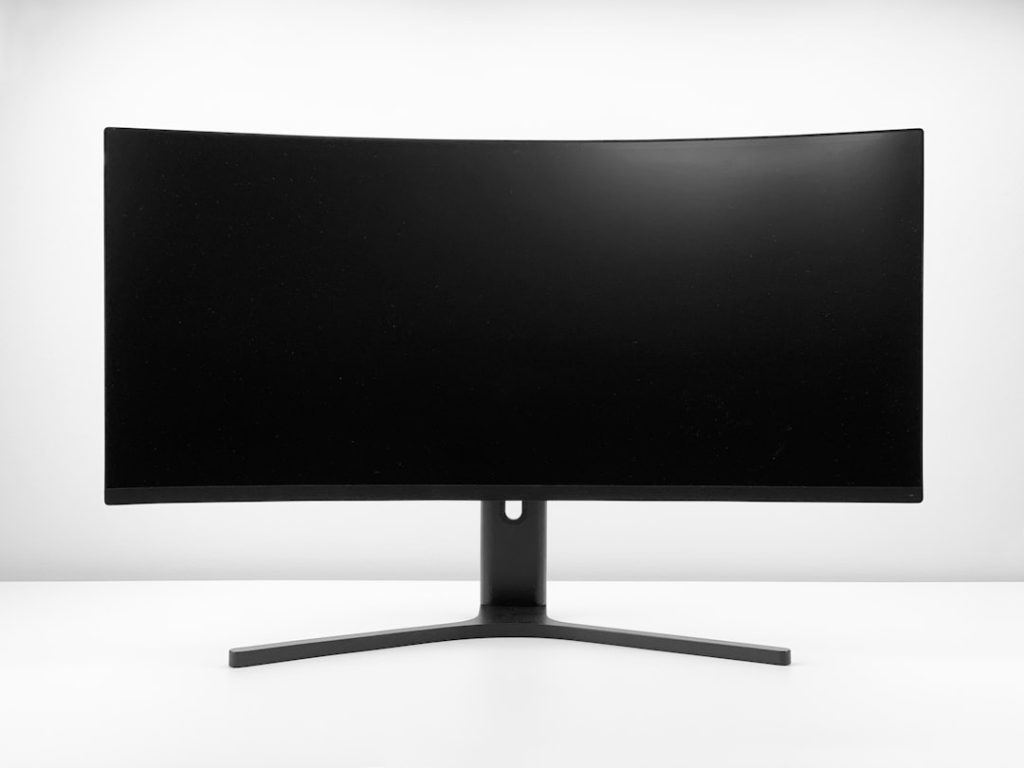
The gaming monitor industry is experiencing a revolutionary moment as manufacturers unveil their most advanced display technologies at this year’s Computex. What we’re witnessing is a significant leap forward in OLED gaming displays that promises to reshape how enthusiasts experience their favorite titles.
Revolutionary Display Technology Emerges
The latest 34-inch curved ultrawide gaming monitor represents a substantial evolution in quantum dot OLED technology. This new model features cutting-edge Penta Tandem screen technology that delivers an impressive 1,300 nits of peak brightness—a notable improvement from previous generations that maxed out at 1,000 nits. The refresh rate has also received a boost to 280Hz from the previous 240Hz standard.
In my opinion, this brightness enhancement addresses one of the most significant criticisms of earlier OLED gaming monitors. The anti-reflective coating integrated into the five-layer Penta Tandem technology should finally eliminate the purple-tinted blacks that plagued previous generations, making these displays viable for well-lit gaming environments.
Premium Features Come at a Premium Price
The flagship 39-inch 5K curved ultrawide monitor showcases LG Display’s fourth-generation Primary RGB Tandem technology. With its tighter 1500R curve and 5,120 x 2,160 resolution, this display targets the most demanding gaming enthusiasts. The 165Hz refresh rate at full 5K resolution, combined with a dual-mode option that drops to 1080p while boosting refresh rates to 330Hz, demonstrates impressive versatility.

However, I believe this monitor will primarily appeal to content creators and competitive esports professionals rather than casual gamers. The 143 pixels per inch density and extensive connectivity options, including DisplayPort 2.1 with UHBR20 bandwidth and KVM switching capabilities, position this as a workstation-class display that happens to excel at gaming.
Who Benefits Most from These Advances
These premium OLED displays are perfect for enthusiasts who prioritize visual fidelity above all else. Competitive gamers will appreciate the improved response times and higher refresh rates, while content creators will benefit from the accurate color reproduction and HDR capabilities. The three-year warranty coverage, including burn-in protection, makes these displays more appealing for professional use.
Conversely, budget-conscious gamers might find better value elsewhere. The pixel density on the 34-inch model remains at 110 pixels per inch, which I consider inadequate for a premium display in 2026. Many 27-inch monitors offer similar pixel density at significantly lower prices.
Affordable Alternatives Fill Market Gaps
The introduction of two VA LCD gaming monitors priced under $500 demonstrates the manufacturer’s commitment to serving different market segments. The $399.99 34-inch ultrawide and $299.99 flat panel both offer 240Hz refresh rates with 1-millisecond response times at 1440p resolution.

While these LCD options provide respectable specifications, I question their market positioning. When a 27-inch OLED monitor costs the same $399.99 as the 34-inch LCD model, the value proposition becomes murky. The superior contrast ratios and color accuracy of OLED technology make it difficult to recommend LCD alternatives at similar price points.
Market Implications and Future Outlook
This product lineup reflects the gaming monitor industry’s maturation, with manufacturers now offering solutions across multiple price tiers and use cases. The emphasis on RGB stripe subpixels addresses text clarity concerns that have historically plagued OLED displays, making these monitors more suitable for productivity tasks alongside gaming.
I believe the real winners here are consumers who have been waiting for OLED technology to become more accessible and reliable. The improved brightness levels and burn-in protection make these displays viable for extended daily use, not just gaming sessions.
The industry’s focus on higher refresh rates and improved HDR implementation suggests that display technology is finally catching up to the capabilities of modern graphics hardware. For serious gamers and professionals willing to invest in premium displays, these new monitors represent a compelling upgrade path from traditional LCD technology.
Photo by Mediamodifier on Unsplash