
Revolutionary Smart Ring Design Achieves 40% Size Reduction Without Compromising Performance
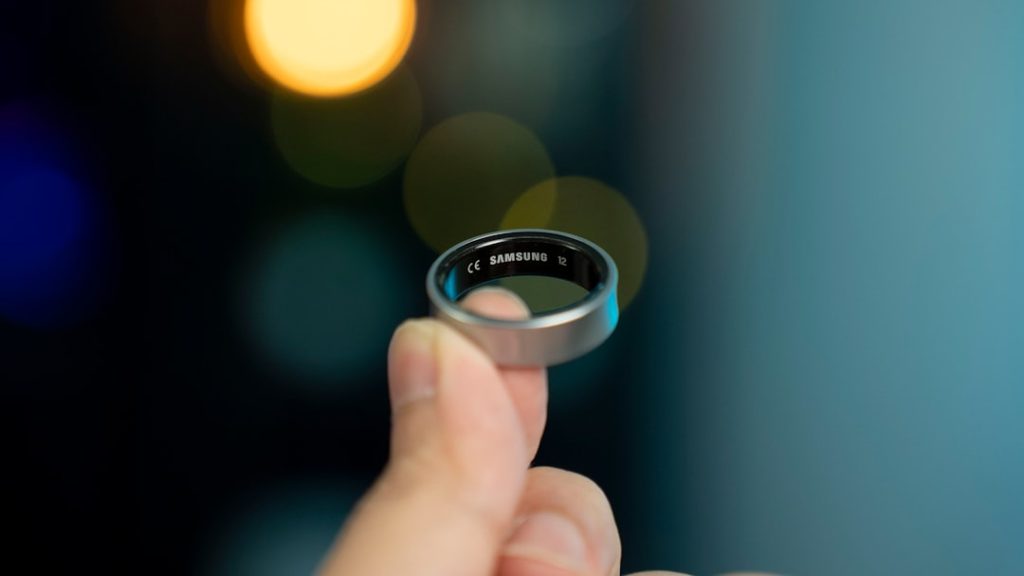
The wearable technology industry has long struggled with a fundamental paradox: creating devices that blend seamlessly into our daily lives while packing in sophisticated health monitoring capabilities. Smart rings, in particular, have faced criticism for their bulky appearance that makes them stand out rather than integrate naturally with other jewelry. This challenge has now been addressed in a significant way with the latest generation of ultra-thin smart rings that represent a genuine breakthrough in miniaturization.
What impresses me most about this development is the engineering achievement behind achieving a 40% reduction in size while maintaining full functionality. This isn’t just about aesthetics – it’s about making health monitoring technology truly accessible to people who previously avoided these devices due to their conspicuous appearance. For fashion-conscious consumers and those with smaller hands, this represents a game-changing advancement.
Technical Innovation Drives Size Reduction
The dramatic size reduction required completely reimagining the internal architecture of these devices. The signal pathway count has been strategically reduced from 18 to 12, but this apparent decrease actually represents an improvement in efficiency rather than a limitation. The new design employs three more powerful photodetectors paired with LEDs that are four times stronger than previous generations.
This approach demonstrates smart engineering thinking – sometimes less truly is more. The enhanced LED power and improved detector sensitivity should provide more accurate readings across diverse skin tones, addressing a common criticism of earlier wearable devices. For users who have experienced inconsistent readings with previous generations, this technical upgrade could be transformative.

Strategic Size Range Adjustments
The decision to focus on sizes 6 through 13, rather than the previous 4 through 15 range, strikes me as a pragmatic business move. While some potential customers with very small or large fingers might feel excluded, the company’s strategy of maintaining older models for these segments makes sense from both manufacturing and market perspectives.
This sizing strategy will likely appeal to the majority of potential users while allowing the company to optimize production costs and design efficiency. For most consumers, this won’t be a limiting factor, and the improved form factor will likely outweigh the reduced size options.
Enhanced Health Monitoring Capabilities
Beyond the physical improvements, the software enhancements represent where this device truly shines. The Health Radar feature builds upon existing monitoring capabilities to provide proactive health insights, particularly focusing on blood pressure trends and nighttime breathing patterns. This proactive approach could be genuinely valuable for users managing chronic conditions or those interested in preventive health monitoring.
However, I remain somewhat skeptical about the integration with AI-powered medical advice through chatbot partnerships. While convenient, this feature raises questions about the reliability of automated medical guidance. The inclusion of access to real medical professionals in 43 states partially addresses this concern, but users should approach AI medical advice with appropriate caution.

Privacy and Data Integration Concerns
The new Health Records feature, which integrates hospital records with wearable data, represents both an opportunity and a potential risk. While comprehensive health data integration could provide valuable insights, the privacy implications are significant. The ability to edit specific health data elements is a welcome addition, but users should be aware that wearable data remains more accessible to government agencies than traditional medical records.
For privacy-conscious individuals, these data integration features might be concerning, while those prioritizing comprehensive health tracking will likely find them valuable. The choice to engage with these features should be made with full awareness of the privacy trade-offs involved.
Market Positioning and Value Proposition
The pricing strategy, starting at $399 for basic finishes and $499 for premium options, positions this device in the premium wearable segment. The additional $99 charging case and required monthly subscription of $6 bring the total cost of ownership to a significant level that won’t appeal to budget-conscious consumers.
For serious health monitoring enthusiasts and early technology adopters, this pricing may be justified by the advanced features and improved form factor. However, casual users might find better value in simpler fitness trackers or smartwatches that offer broader functionality at comparable price points.
The week-long battery life and month-long charging case capacity address practical concerns about device maintenance, making this more appealing for frequent travelers or those who prefer low-maintenance wearables.
This technological advancement represents a significant step forward in making health monitoring devices truly wearable and socially acceptable. While the premium pricing and subscription model limit its accessibility, the engineering achievements and health monitoring capabilities make it a compelling option for dedicated health tracking enthusiasts who prioritize discretion and accuracy.
Photo by Andrey Matveev on Unsplash