
Strategic Ambiguity: How Trade Policy Uncertainty Shapes Copper Market Dynamics
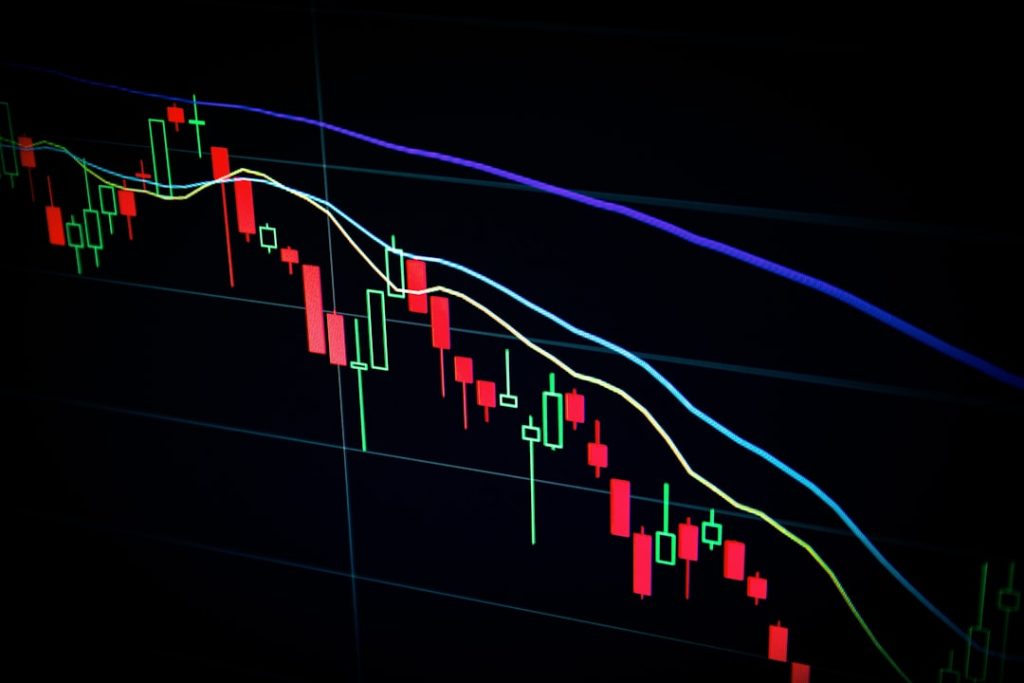
The copper trading community finds itself navigating increasingly murky waters as political leaders maintain deliberate uncertainty around import taxation policies. This calculated ambiguity, I believe, represents a sophisticated economic strategy that goes far beyond simple protectionism.
What we’re witnessing is a masterclass in market psychology. By keeping traders and industrial buyers guessing about potential tariff implementations, policymakers create a unique form of leverage that traditional economic tools simply cannot match. The uncertainty itself becomes the weapon of choice.
The Psychology Behind Market Uncertainty
For copper traders specifically, this environment presents both extraordinary opportunities and significant risks. Those with strong risk management capabilities and deep market knowledge will likely thrive in this volatile landscape. However, smaller players and those without sophisticated hedging strategies may find themselves severely disadvantaged.

I think this approach particularly benefits domestic copper producers and recyclers, who suddenly find their pricing power enhanced without any actual policy changes. The mere possibility of tariffs creates a premium that domestic suppliers can capture, even if those tariffs never materialize.
Winners and Losers in the Uncertainty Game
Manufacturing companies dependent on copper imports face the most challenging position. They must now factor potential cost increases into their planning while lacking concrete information to base those calculations on. This is especially problematic for smaller manufacturers who lack the resources to maintain large inventory buffers or complex supply chain alternatives.
Conversely, financial institutions and commodity trading firms with sophisticated analytics capabilities stand to benefit significantly. The increased volatility and information asymmetries create profit opportunities for those equipped to capitalize on market inefficiencies.

Long-term Strategic Implications
What strikes me as particularly noteworthy is how this uncertainty strategy reshapes international trade relationships. Foreign suppliers may begin offering more favorable terms preemptively, essentially delivering concessions without formal negotiations. This represents a form of economic diplomacy that traditional trade agreements struggle to achieve.
However, I believe this approach carries substantial risks for the broader economy. Prolonged uncertainty can stifle long-term investment planning and supply chain optimization. Companies may delay expansion projects or technological upgrades when they cannot accurately forecast input costs.
The copper market serves as a bellwether for industrial activity, and sustained volatility here could signal broader economic disruptions ahead. While short-term political gains may be achievable through strategic ambiguity, the long-term costs to economic efficiency and business confidence deserve serious consideration.
Photo by Maxim Hopman on Unsplash
Photo by Austin Hervias on Unsplash
Photo by Nick Chong on Unsplash