
The Future of AI Computing: Why Computational Power Has Become the New Currency
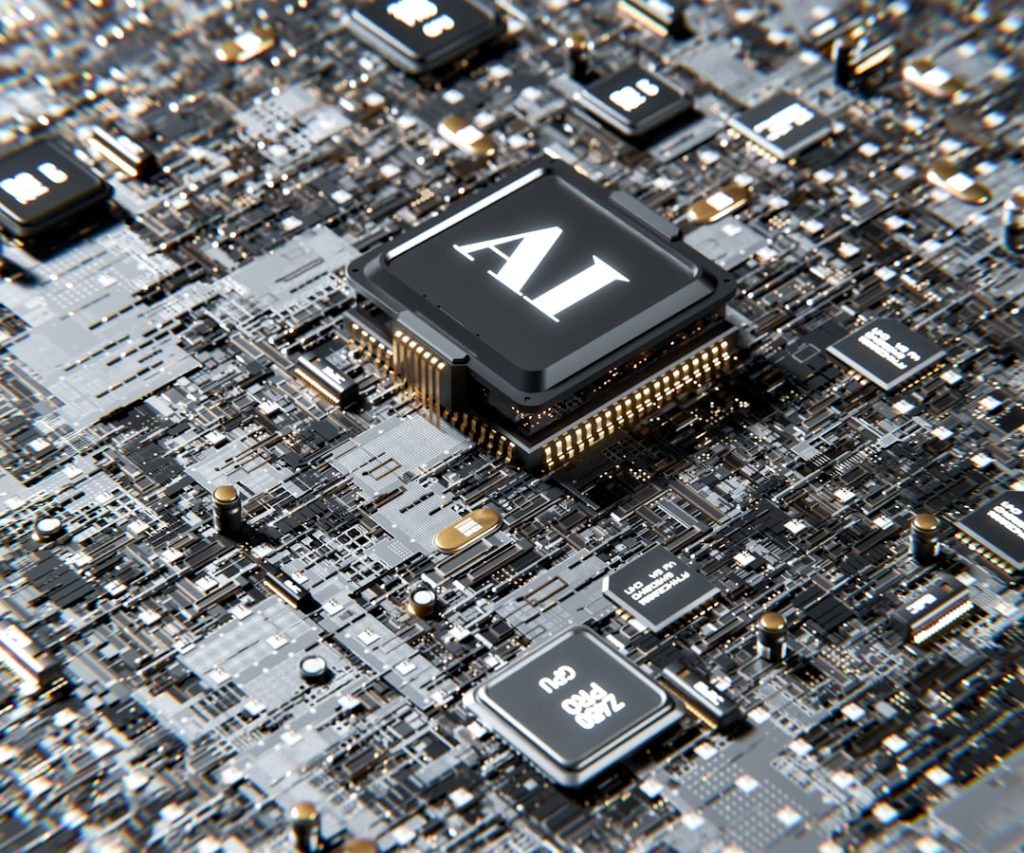
The recent technological summit in Taiwan delivered a powerful message that should resonate with anyone tracking the evolution of artificial intelligence and semiconductor industries. The central theme that emerged from industry leadership discussions wasn’t just about hardware specifications or market projections—it was about a fundamental shift in how we understand value creation in the digital economy.
Computing Power as the New Economic Engine
The most striking revelation from the conference was the assertion that computational capacity has evolved beyond being merely a tool—it has become a direct profit generator. This perspective represents a seismic shift in thinking that I believe will reshape entire industries over the next decade.
What makes this particularly compelling is how it challenges traditional business models. Companies that once viewed computing infrastructure as a necessary expense are now recognizing it as their primary competitive advantage. This isn’t just relevant for tech giants; it’s a wake-up call for any organization that processes data, which frankly includes almost everyone in today’s economy.

The Democratization Paradox
One of the most thought-provoking points discussed was how advanced computing capabilities are simultaneously becoming more accessible while remaining incredibly expensive to implement at scale. This creates what I see as a fascinating paradox that will separate winners from losers in the coming years.
Small startups can now access sophisticated AI models through cloud services, but enterprises seeking to maintain competitive edges through proprietary systems face astronomical infrastructure costs. This dynamic particularly benefits companies with deep pockets and long-term vision, while potentially squeezing out mid-sized players who can’t afford premium computing resources but also can’t compete effectively with basic solutions.
Industry Transformation Implications
The emphasis on computational supremacy signals a broader transformation that extends far beyond traditional technology sectors. Manufacturing, healthcare, financial services, and even creative industries are discovering that their future success hinges on processing power rather than traditional assets.

I find this shift particularly significant for investors and business leaders who need to recalibrate their strategic thinking. Companies that treat computing as a cost center rather than a profit engine are likely positioning themselves for obsolescence. Conversely, organizations that embrace computational investment as their primary growth strategy may find themselves with insurmountable advantages over competitors.
Who Benefits Most
This computational revolution clearly favors certain groups over others. Large corporations with substantial capital reserves can invest in cutting-edge infrastructure and reap immediate benefits. Technology-forward industries like autonomous vehicles, drug discovery, and financial modeling stand to gain tremendously from enhanced processing capabilities.
However, traditional businesses operating on thin margins may struggle to justify the massive upfront investments required to remain competitive. Educational institutions and government agencies, often constrained by budget limitations, might find themselves increasingly disadvantaged unless they develop innovative funding models for computational infrastructure.
The message from Taiwan wasn’t just about technological advancement—it was about recognizing that computational power has become the defining factor in economic competitiveness. Organizations that understand this shift and act accordingly will likely dominate their respective markets, while those that don’t may find themselves relegated to irrelevance.
Photo by Igor Omilaev on Unsplash
Photo by Steve A Johnson on Unsplash